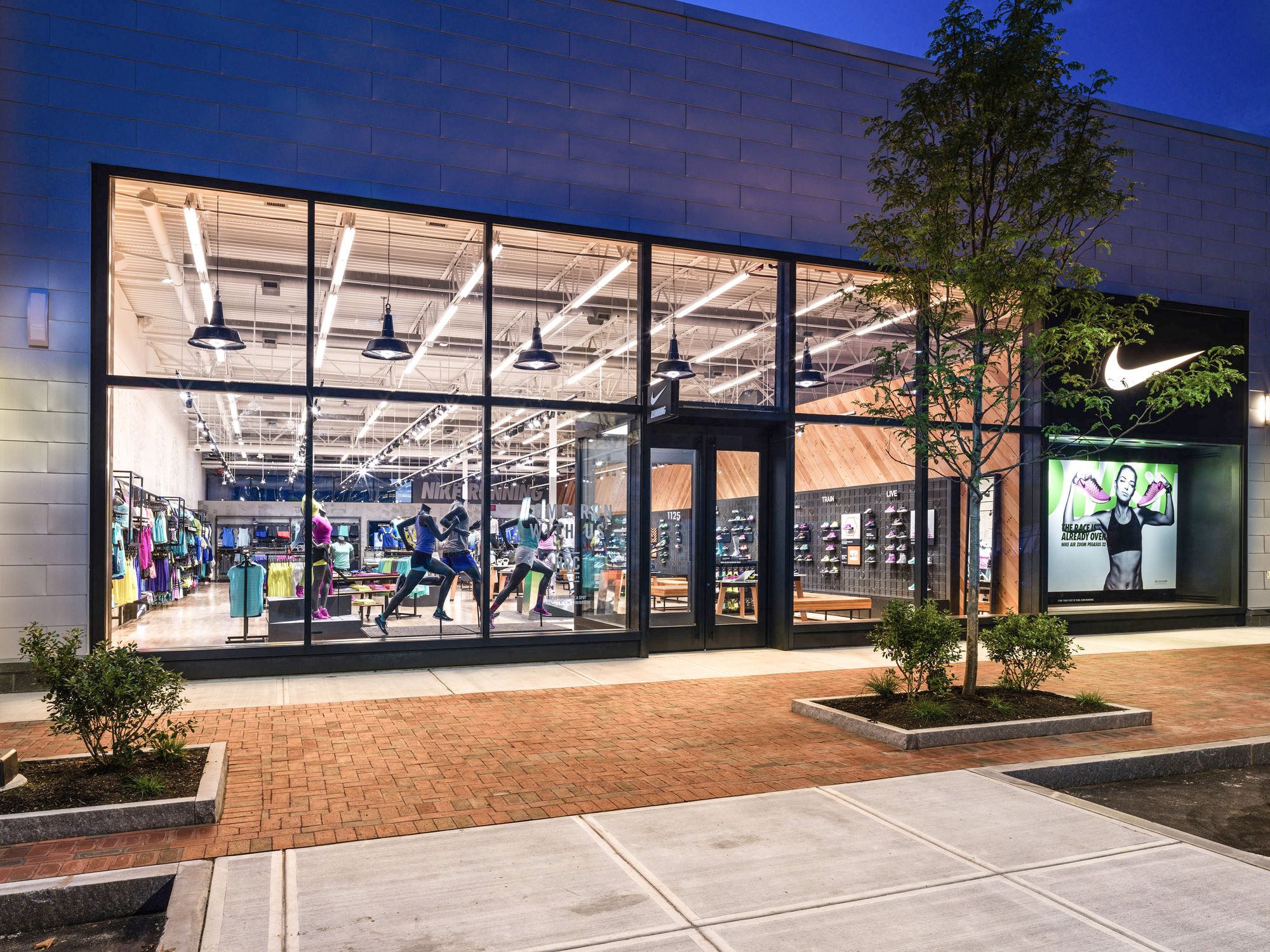
Custom Fabrication for Q4 Activations: How to Build Bold Spaces Without Execution Risk
Author: Written by the Oetee design and fabrication team, Chicago-based builders of intentional experiential environments for brands and agencies nationwide. From concept through build, we create immersive spaces, activations, and installations that bring brand stories to life.
It's the Tuesday before your Black Friday activation opens, and the venue's freight elevator is twelve inches too narrow for the modular wall panel your fabricator just tried to load in. Nobody caught it, because the team that built the panel never talked to the team that measured the venue. Now your install crew is cutting a finished surface on-site, under fluorescent loading-dock lighting, three days before hundreds of press and VIP guests walk through the door.
Q4 doesn't give you room for this. Venue windows are tighter, foot traffic is heavier, and the executive who approved the render is going to see the finished space in person, not on a screen. When design and fabrication live in separate companies, feasibility gets discovered on the loading dock instead of at the sketch stage, and by then there is no time and no budget left to fix it properly.
The fix is the same one it always is: check feasibility the same day the concept gets drawn, not the week installation starts.
Where Q4 Activations Actually Go Wrong
Most brand activations fail to match their approved renderings because the creative team and the build team operate in silos. A standalone design agency creates spatial environments without daily feedback from master fabricators. They design bold geometry, specialized finishes, and complex environmental graphics, assuming an outside builder will figure out the physical engineering later.
When an outside build shop finally receives those drawings, they often face unrealistic timelines and missing structural details. To hit hard delivery deadlines, fabricators make quick adjustments without consulting the original designers.
This fragmented workflow creates predictable points of failure:
- Compromised Visual Depth: Unique surface finishes, custom millwork, and flush graphic reveals get swapped for off-the-shelf alternatives, dulling the visual impact of your brand activation.
- Structural and Transport Failures: Displays designed without transport logistics in mind can suffer freight damage, or turn out too heavy or oversized for standard venue freight elevators and loading docks.
- On-Site Delays: Unclear mounting hardware and complex assembly requirements lengthen load-in times, forcing your team into costly union overtime or incomplete venue setups.
For event planners and brand managers, these failures mean immediate stress. You end up managing crisis communication between competing vendors instead of focusing on guest experience and media coverage.
Feasibility Gets Engineered In, Not Bolted On
Achieving total certainty in physical execution demands early-stage custom fabrication intelligence. Instead of treating building as a separate phase that happens after creative sign-off, engineering logic must shape every stage of spatial design.
Oetee operates an integrated design-build workflow at our 1200 W Cermak Rd facility in Chicago. By keeping creative directors, spatial designers, custom fabricators, and installers under one roof, we eliminate third-party miscommunications and guarantee total fidelity to your approved concept.
This under-one-roof approach changes how high-stakes brand activations are engineered and delivered.
Material Intelligence and CNC Precision
Every material responds differently to structural loads, lighting, and heavy public interaction. Our shop team tests raw materials, composite substrates, and specialized hardware while visual concepts are still being drafted.
Using advanced CNC machining, precision joinery, and custom surface finishing built to AWI standards for architectural woodwork, we build complex spatial components with exact tolerances. This front-end engineering ensures that sweeping architectural lines, embedded media, and bold environmental branding elements perform flawlessly under real-world event conditions.
Modular Fabrication and Transit Logistics
A custom activation is only as successful as its physical deployment. If a custom build cannot be transported efficiently or assembled rapidly, it creates major venue bottlenecks.
Our custom fabrication team designs modular structural frameworks specifically tailored to your venue constraints. We mock up connection hardware, calculate shipping crate dimensions, and pre-assemble structural components in our Chicago shop before anything loads onto a truck. This testing guarantees that on-site setup moves quickly, cleanly, and without unexpected adjustments.
What to Look for in a Q4 Fabrication Partner
When evaluating potential custom fabrication partners for high-stakes corporate events, trade show environments, or retail pop-ups, look past slick digital portfolios. The true test of a build partner is their operational infrastructure and project control methods, the same standards covered regularly in industry publications like Event Marketer.
Use these three standards to evaluate your build team before signing off on Q4 plans:
1. Direct Ownership of Fabrication Capabilities
Confirm that your partner owns and operates their own local production facility. Outsourcing metalwork, woodworking, or environmental graphic production to third-party sub-contractors creates communication delays and lowers quality control. Direct ownership means complete oversight across every cut, finish, and structural detail.
2. Prototyping and Material Testing Protocols
Ask how your build partner verifies structural feasibility before final production starts. A reliable partner builds 1:1 scale physical prototypes, conducts structural weight tests, and evaluates surface finishes under real lighting to eliminate surprises prior to load-in.
3. End-to-End Installation Management
The team that fabricates your spatial installation should understand exactly how it goes together on site. Unified fabrication and installation teams ensure that the builders who machined the joinery are managing the final setup, keeping on-site execution seamless and stress-free.
Bold Spaces, Zero Panic
High-stakes brand activations should create memorable public moments, not operational crises. Removing vendor handoffs and integrating custom fabrication directly into spatial design protects your creative vision while securing total control over timelines and budgets:
- Your creative vision stays intact. No design compromises get made on the shop floor without the people who approved the concept in the room.
- Your budget stays locked. Feasibility issues get caught and solved before production starts, not fixed with expensive change orders mid-build.
- Your timeline stays intact. Pre-tested modular components and pre-assembled connections mean load-in moves fast, even inside a tight Q4 venue window.
Whether you are planning a high-impact holiday pop-up, an immersive corporate trade show footprint, or a multi-city brand experience, working with an integrated design-build team ensures your physical space opens exactly as envisioned. Learn more about how our custom fabrication and event installation services bring structural certainty and creative precision to high-stakes activations nationwide.
Ready to Plan Your Q4 Activation?
Having executed high-stakes spatial environments, corporate brand activations, and trade show installations for global industry leaders like Nike, Herman Miller, Off-White, Aesop, and Formula 1, Oetee brings absolute operational precision to every build.
If you have an active project brief or an upcoming Q4 activation timeline, reach out to our Chicago design-build team at afterhours@oetee.com, or visit our Contact Page.
Key Takeaways
- Eliminate Vendor Handoffs: Separating creative design from physical fabrication introduces structural risks, cost overruns, and compromised visual details.
- Integrate Engineering Early: Introducing custom fabrication intelligence during initial spatial planning ensures concepts are structurally sound, transportable, and budget-compliant.
- Demand Modular Design: Designing modular components with custom pre-tested joinery guarantees fast, efficient load-ins within strict venue windows.
- Require Full-Scale Prototyping: Physical material mockups and 1:1 scale structural testing prevent mid-production changes and resolve installation challenges before reaching the venue floor.
- Single-Source Accountability: Oetee's integrated model combines spatial design, CNC machining, custom millwork, and installation under one roof for stress-free execution.
Frequently Asked Questions
What makes Q4 brand activations riskier than standard projects?
Tighter venue load-in windows, heavier foot traffic that stresses materials, and higher executive visibility all raise the stakes, leaving little room to recover if a feasibility issue surfaces during setup instead of during design.
How does early fabrication involvement prevent late-stage design compromises?
When fabricators review material and structural choices while the design is still being drafted, problems get solved on paper instead of on the shop floor after a render has already been approved, which avoids the last-minute material swaps and simplified details that come from rushed fixes.
What should I check before hiring a fabrication partner for a holiday activation?
Confirm they own their own production facility, ask how they test structural feasibility before final production, and check whether the same team handling fabrication also manages on-site installation.
Why does modular design matter for tight venue load-in windows?
Modular components that are pre-tested and pre-assembled in the shop move through freight elevators and loading docks predictably, which keeps setup on schedule instead of running into surprises that trigger costly overtime.
Does Oetee handle installation as well as fabrication?
Yes. The same team that designs and fabricates your activation also manages the final on-site setup, so the people installing the space are the same people who understand exactly how it was built.
