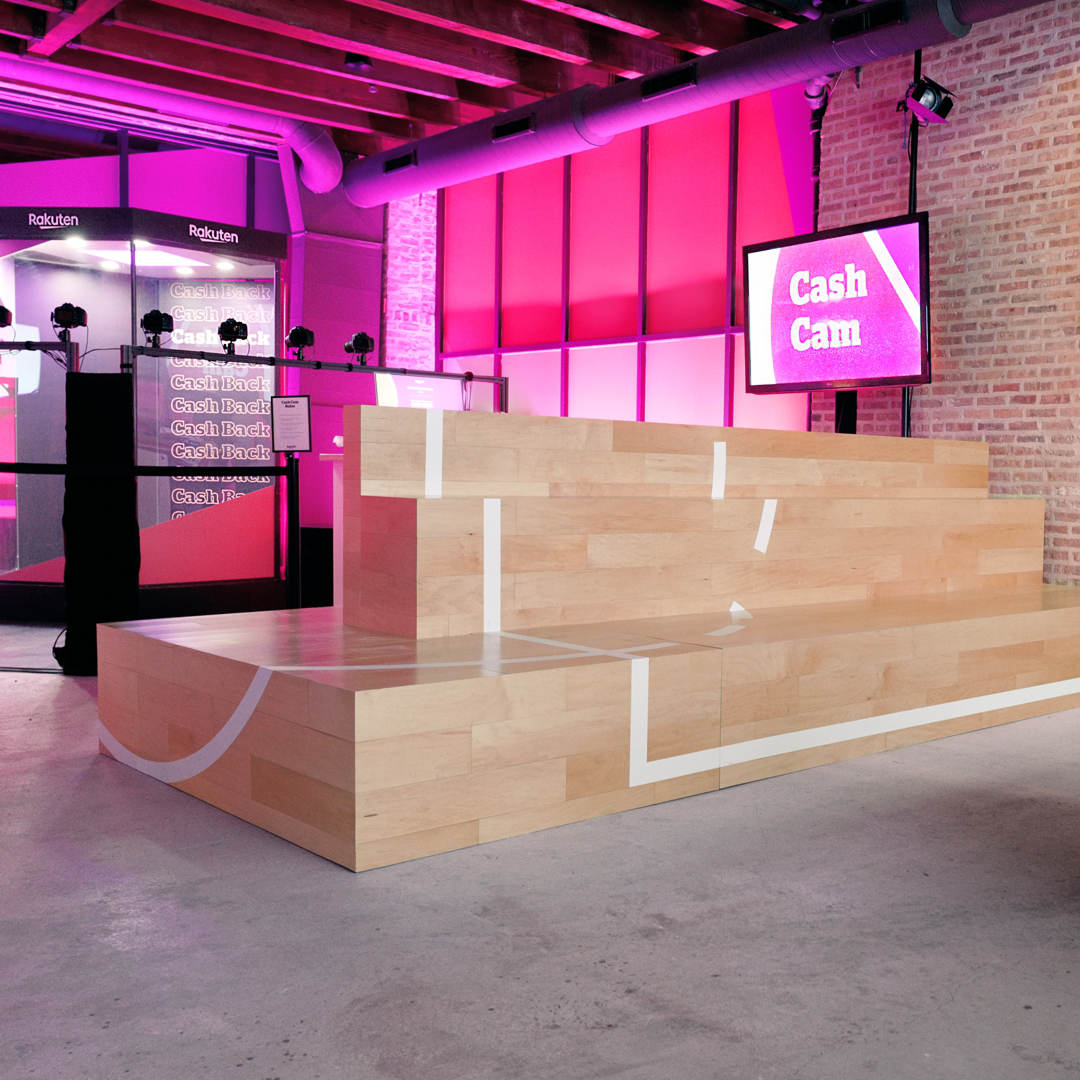
2026 Spatial Design Trends: Moving Beyond "Instagrammable" Moments
We have all seen it. The "flower wall" at the product launch. The neon sign begging to be photographed. For the last decade, spatial design felt held hostage by the constraints of a 9:16 phone screen. Agencies designed specifically for the feed, often at the expense of the feeling in the room.
But as we settle into 2026, the pendulum is swinging back.
We are seeing a massive shift in what audiences expect from a branded environment. They are no longer satisfied with being passive observers or props in a photo opportunity. They want agency. They want to touch things. They want the space to react to them. At Oetee, we believe this shift is positive because it demands a higher level of experiential design capabilities. It separates the decorators from the true fabricators.
The Death of the Passive Backdrop
The era of the "Step and Repeat" is officially over. Brand Managers and Event Planners need to recognize that a static logo wall is now invisible to a sophisticated audience.
In 2026, the most impactful environments are living systems. We are moving toward kinetic architecture where walls shift, lighting responds to crowd density, and the environment itself behaves like a character in the brand story. This isn't just about showing a logo. It is about proving that the brand is alive.
This requires a shift in how we build. You cannot order a living environment from a catalog. It requires custom engineering and a fabrication team that understands mechanics as well as aesthetics. When we design these spaces at our Chicago studio, we aren't just looking at color swatches. We are looking at motors, sensors, and structural integrity.
Utility is the New Viral
The most shareable content in 2026 isn't a picture of a thing. It is a video of a person using a thing.
We call this "Immersive Utility." This trend prioritizes function. Imagine a pop-up retail space where the shelving units themselves are a puzzle the customer solves to unlock a discount. Or a trade show booth where the furniture reconfigures based on the meeting type.
This approach creates a deeper memory structure in the brain. When a user physically manipulates an object, they form a stronger cognitive bond with the brand than if they simply looked at it. We are advising our clients to ask "What can the user do here?" rather than just "What will they see?"
Returning to Texture and Weight
As AI and VR continue to dominate the digital conversation, the physical world has to offer something screens cannot: mass and texture.
We are seeing a resurgence in heavy, authentic materials. Stone, raw steel, and thick textured fabrics are replacing the flimsy printed vinyl graphics of the past. There is a subconscious psychology at play here. When a potential client walks into a booth and leans on a counter that feels solid and substantial, they attribute those same qualities—stability and trustworthiness—to your corporation.
To view our latest work is to see this principle in action. We obsess over the tactile details because we know that the first touchpoint is often the literal touch of a hand on a surface.
Integrating Tech Without the Gimmicks
For years, "tech integration" meant slapping an iPad on a stand and calling it interactive. That doesn't fly anymore.
The trend for 2026 is "Invisible Tech." The technology should facilitate the experience without announcing itself. We are talking about projection mapping that enhances a physical sculpture rather than replacing it. We are looking at RFID triggers that change the environment seamlessly as a VIP guest walks through the door.
This level of integration requires zero degrees of separation between the designers and the builders. If the AV team is in a different silo from the fabricators, you end up with messy cables and clunky interfaces. But when they work under one roof, the tech becomes magic.
Key Takeaways:
- Utility is King: Audiences now demand spaces that serve a function beyond just looking good.
- The End of the "Step and Repeat": Static backdrops are being replaced by dynamic, moving environments.
- Tactile Feedback: In a digital world, physical texture and weight are becoming premium indicators of quality.
- Hybrid Integration: How digital overlays are finally feeling natural rather than forced.
